Frequently Asked Questions
Harmonica
What kind of harmonica should I buy?
Get what's called a diatonic harmonica in the key of C. If the music store doesn't have C, D would work, too, and even G. If you ever get serious, one day, you'll need all three. Cost is up to you — Hohner is a pretty good brand, and they have a range of affordable options. Bluesbands are pretty good on the low-end, and a Marine Band if you’re looking for an industry-standard type. Personally, I play a Lee Oskar. They're more expensive, like a Marine Band, but they have a fatness in sound that I like and is versatile for all types of music. Marine Bands lean a little too country and folky to me, but still a great option.
What do I learn first on harmonica?
It depends on your goals, but step 1 is to make sure you can blow and draw individual notes. That's something you can always practice doing and simply takes showing up to the instrument. Step 2 is to use a harmonica notes chart and learn the mapping of all the notes. Just memorize the map, and you're halfway to being able to use it. The other half is those single notes of course. From there you can go a variety of ways, but that's the get-in-the-door knowledge.
How do I play blues harmonica?
The hardest part about blues harmonica is actually the mental side of things. The first thing to understand is playing blues harmonica requires you to utilize the cross harp concept of harmonica playing, which basically means that if a blues song is in one particular key, you would use a particular hamonica in a different key to get the blues sound. Trust me, it's way easier to forget about the theory behind it and just memorize what you're supposed to play.
If someone is playing a blues song on guitar, piano, ukulele or something like that, in the key of C, the harmonica player picks up a harmonica in the key of F. If the song itself is in A, you play a D. A blues song in G, and you grab a C. In D? You play a G. If in E, you grab an A.
To play cross harp correctly, instead of the focal point being on blowing the harmonica, you want to focus on drawing. Make your playing centered around drawing about 80% of the time and it will sound halfway decent and bluesy.
Now to really start digging in, on the 1 chord of a blues song, draw in single and multiple notes around the first 4 holes, only blowing a little to help you get back to focusing on drawing. Over the 4 chord, do more blowing, but keep the draw up, too, so it keeps up that sound you're looking for. But the 4 chord is your blow chord. Then over the 5, draw the 4 hole as a single note pretty good. It's the hole that will bend the easiest for you and also sounds the bluesiest.
From there, it's just a matter of playing this framework and building of off it continuously.
Learn More
At the end of the day, your music skills are dependant on how solid you are in the fundamentals. If you feel like you have any blind spots when it comes to the basic chords, strumming or don't know how to use a capo, check out our PDF guides or contact us for more information about how we can help you shore up your skills as efficiently as possible.
FEATURED MUSIC
Joshua Espinosa
Americaña
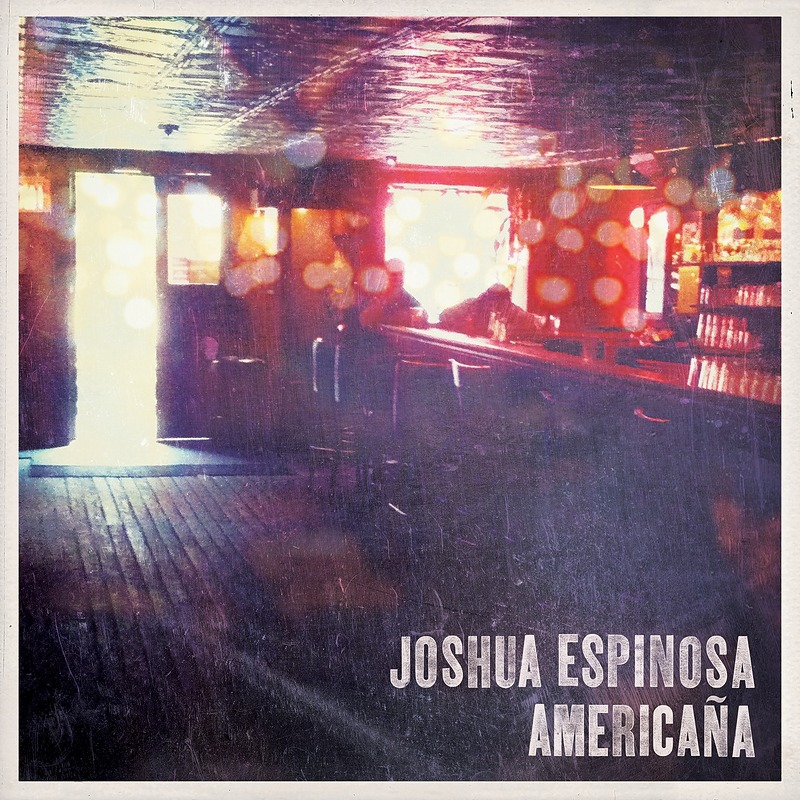
The latest album from the founder of Approachable Music.
Listen Now